Beyond One Week: Stories Shared During Truth and Reconciliation Week
Educational Well-being
Throughout Truth and Reconciliation Week, MFI shared stories from the TREES Network that offered space to listen and reflect. The stories remain available beyond September 30, and we invite you to continue spending time with them.
Throughout Truth and Reconciliation Week, the Martin Family Initiative shared a series of videos from the TREES Network. We wanted to use the week to bring people directly to stories already being shared by Indigenous people through TREES and give those stories more space to be heard.
The videos were not all directly about residential schools. They were never intended to be. Each one, however, held a connection to the history people were being asked to reflect on during the week and to the work that continues in communities today.
The idea behind the series was simple. We wanted to use the resources already available on the TREES Network to make space for people to speak for themselves and give others an opportunity to spend some time listening.
The stories we shared
Read it Again!
We began the week with Monique Gray Smith, who spoke about the importance of returning to stories more than once. What we hear from a story can change depending on where we are in our lives, and coming back to it can open a different conversation.
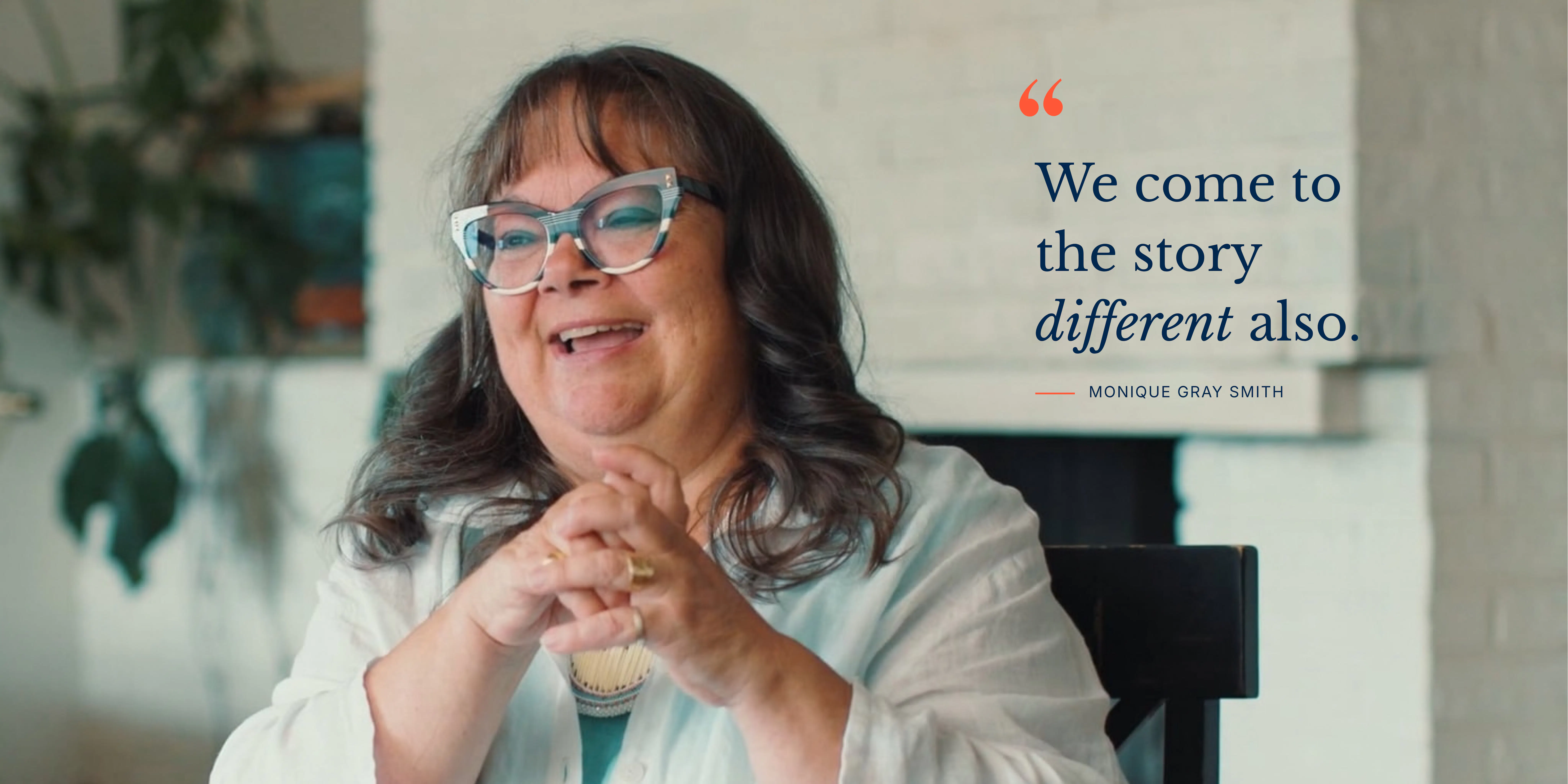
Her message also challenged us to think beyond the days we set aside for this work. Truth and Reconciliation cannot be something we engage with only during one week of the year. This became an important starting point for the stories we shared throughout the week.
🔗 Watch Read it Again! on the TREES Network here.
Second Language Learner
For Ngati Crowchild, learning her language meant being willing to begin even when she was afraid of making mistakes. In Second Language Learner, Ngati speaks about starting with one word and learning alongside children. She reflects on the patience that language learning requires and the role second-language learners can have in helping others as they continue learning themselves.
Her story speaks to something that can be difficult for many people who are reconnecting with their language: not knowing where to begin. Ngati's message is that you can begin where you are.
🔗 Watch Second Language Learner on the TREES Network here.
Drumming Journey
Selina Morris shares her experience of reconnecting with Inuit drumming and with a part of herself that she had been searching for. Her journey began after she was welcomed to the First Nations hand drum while living in St. John's. With guidance from Elders, she later began learning about the Inuit drum. In her video, Selina speaks about what that experience meant for her and how drumming became part of reconnecting with who she is.
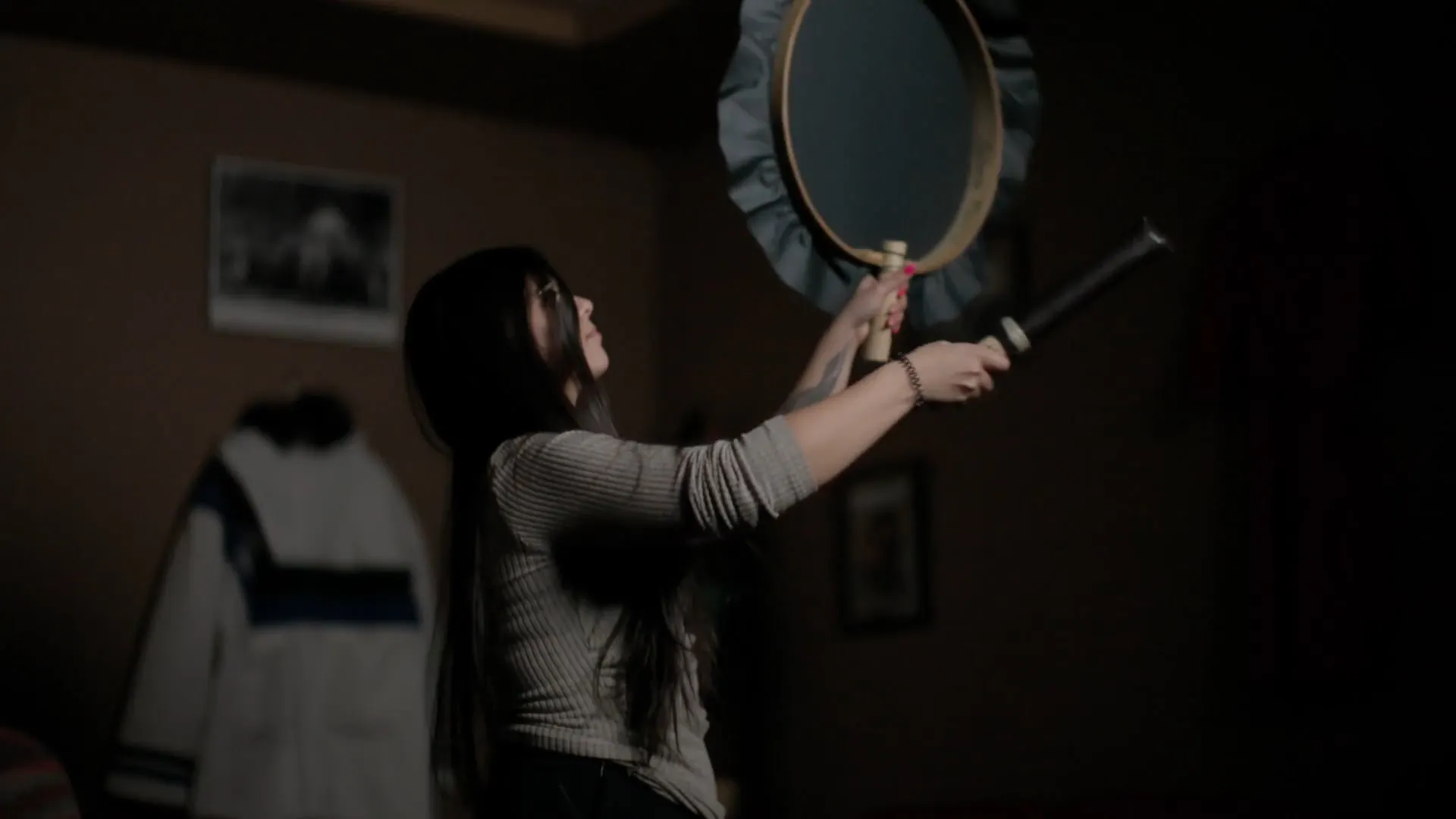
Her story also shows that reconnecting doesn't always happen in a straight line. Sometimes it begins with someone welcoming you in and helping you find your way toward what belongs to you.
🔗 Watch Drumming Journey on the TREES Network here.
Intergenerational Healing
David Bolton and Michael Summers speak about healing through their experiences as Indigenous fathers. They reflect on what they have carried from their own lives and what they want to do differently for their children. Their conversation touches on forgiveness and learning to understand their emotions. They also speak about the role ceremony has had in their lives.
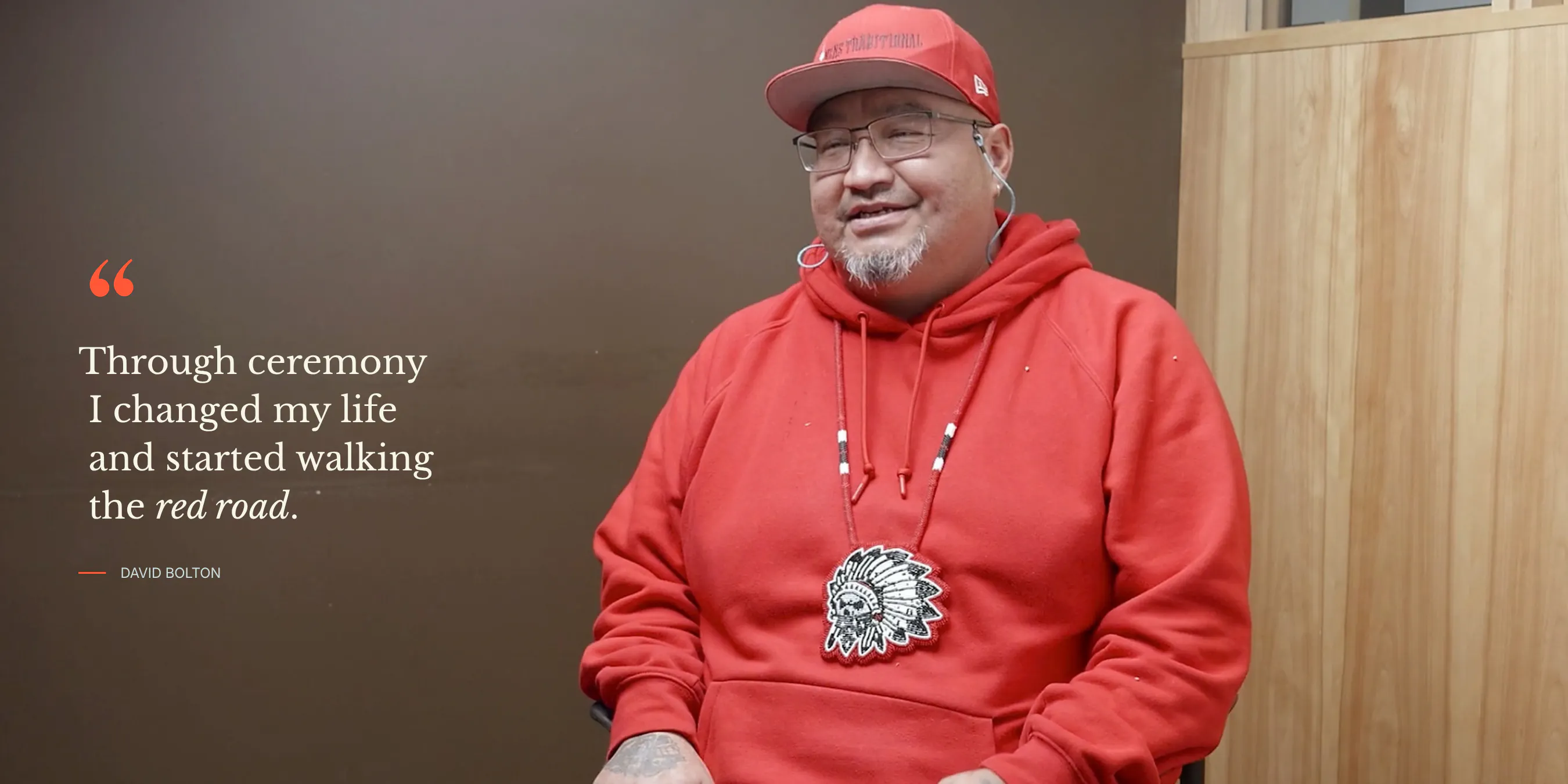
Their stories show how healing can affect more than one person. The work they are doing within themselves is also connected to how they show up for their children and what the next generation experiences.
🔗 Watch Intergenerational Healing on the TREES Network here.
Language as Medicine, Land as Support
In Language as Medicine, Land as Support, Carol Hopkins and Andrea Deleeuw speak about the connections people have to language and the Land, and what those connections can mean for wellness.
Carol speaks about language as something that carries much more than words. Reconnecting with language can also be a way of reconnecting with identity and understanding who you are. Andrea speaks about the Land as a source of support and challenges us to think beyond the idea that our support systems are made up only of other people.
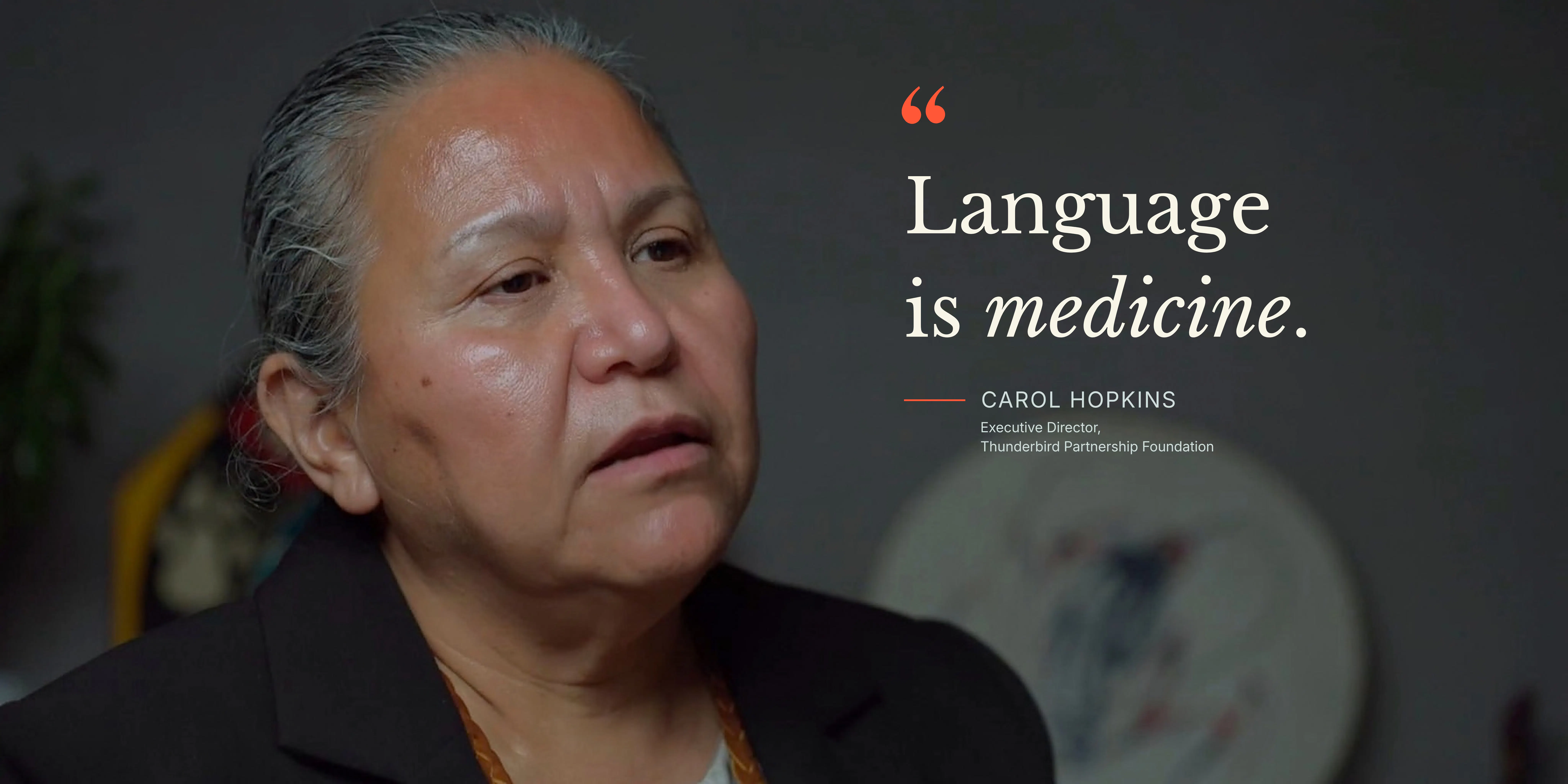
Their conversation invites us to think differently about where people can find connection and support, and about what can be restored when those relationships are strengthened.
🔗 Watch Language as Medicine, Land as Support on the TREES Network here.
Learning Together
In Learning Together, the focus turns to how children learn when they are surrounded by people who can show them, guide them and take part alongside them. Melanie Bennett speaks about learning as something that happens through experience. Children are able to watch what others are doing and learn by being part of it, while parents have people around them who can offer support as they raise their children.
It's a reminder that learning doesn't happen in isolation. When knowledge is shared within a community, children have more people and experiences to learn from.
🔗 Watch Learning Together on the TREES Network here.
Getting Back to Our Ways of Knowing and Being
In Getting Back to Our Ways of Knowing and Being, Anatasha Lyons reflects on how children learned within community before Western ideas about education and discipline were imposed.
She shares an example from historical records, where Jesuit priests described Indigenous children as having little discipline because they were able to move freely throughout the community. Anatasha asks us to look at those observations through a different lens. Children were surrounded by people who knew them and were learning through the relationships and experiences around them.
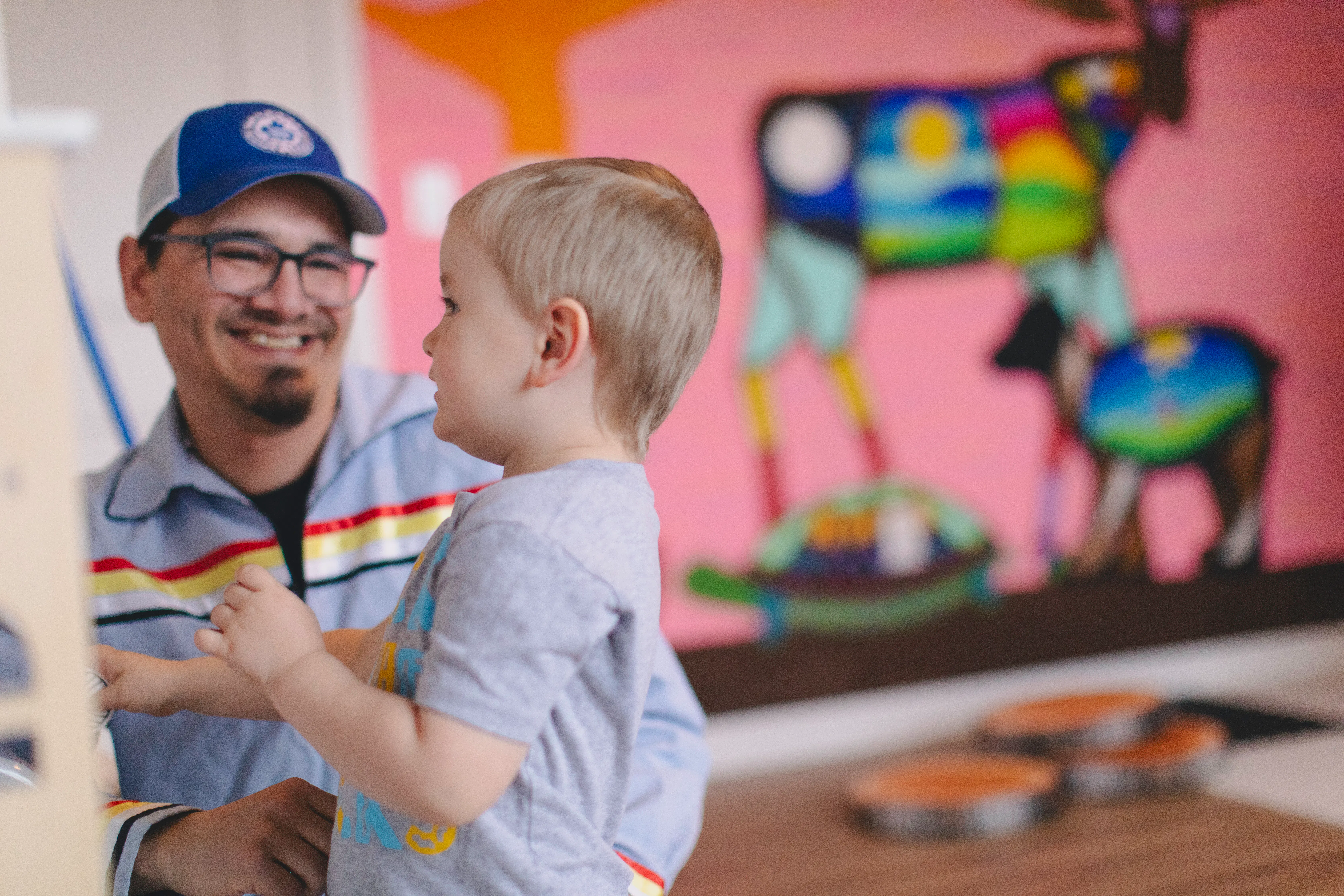
Her story asks us to consider what can be learned by looking back at the way children were raised and supported, and what it means to make space for those ways of knowing today.
🔗 Watch Getting Back to Our Ways of Knowing and Being on the TREES Network here.
Teara's Story
In her story, Teara Fraser speaks about the creation of Iskwew Air and the importance of bringing Indigenous women into spaces where they haven't always been represented.
The name Iskwew comes from the Cree word for woman. Teara speaks about reclaiming what it means to be an Indigenous woman and creating a company where Indigenous people and women could see themselves reflected. She also shares why language matters and why she chose not to make the name easier for others to pronounce.
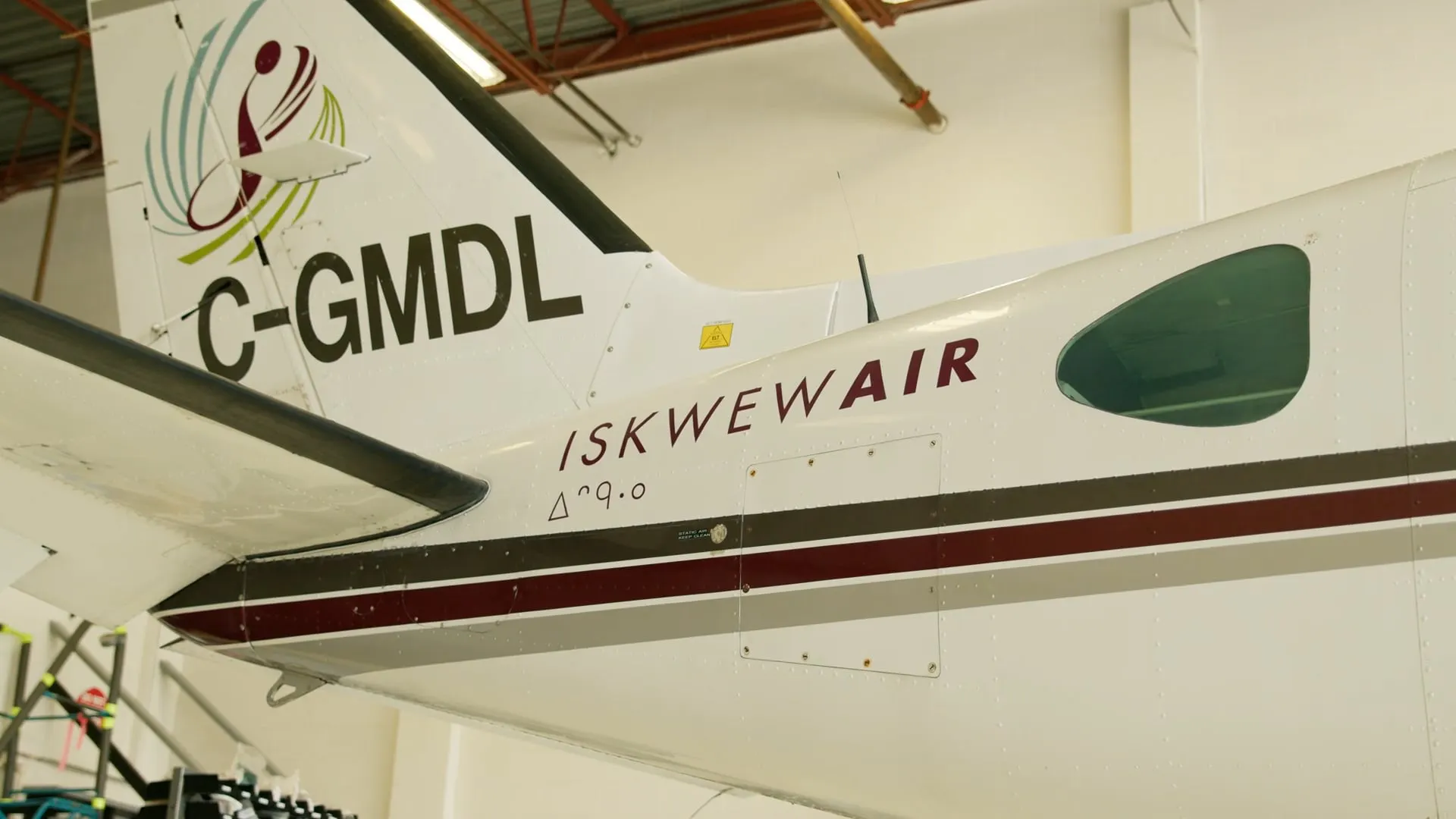
Her story shows how the choices made in building a business can reflect something much bigger. For Teara, that's meant creating space for Indigenous women while being intentional about the people and values she brings into the work.
🔗 Watch Teara's Story on the TREES Network here.
Closing the week with Keethanow Rooted in the Land
We closed the series on September 30 with Keethanow Rooted in the Land, a documentary filmed with Keethanow Elementary School in Stanley Mission, Saskatchewan.
Throughout the film, educators and Knowledge Keepers share what land-based learning looks like for children at Keethanow. Students learn through experiences such as hunting, fishing and trapping, while spending time with people in their community who carry this knowledge. The Land becomes part of the classroom, with Cree language and teachings woven into what children are learning.
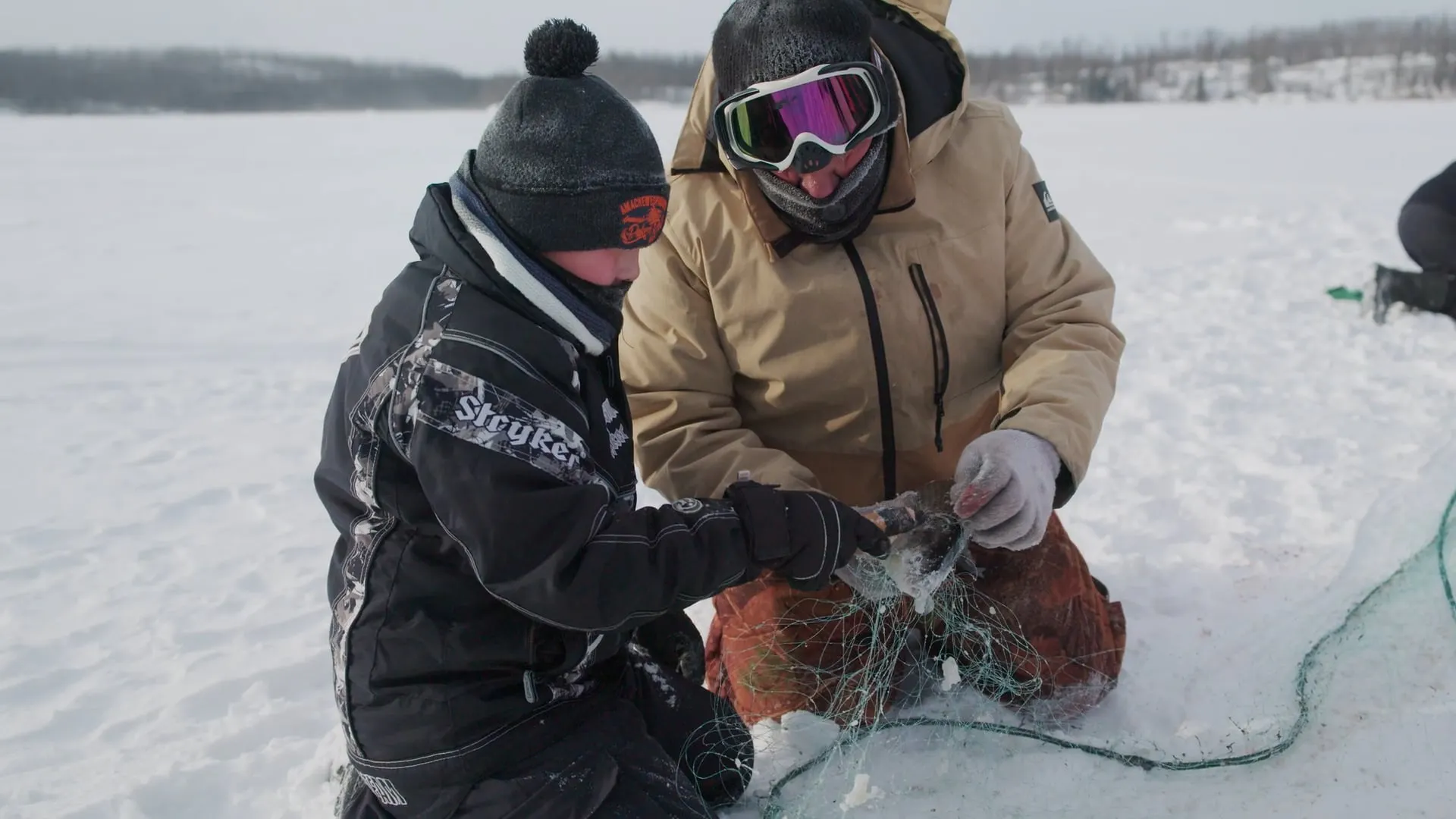
The documentary also speaks openly about why this work matters. People in the community share their experiences of cultural loss and of growing up without a strong connection to their identity. Today, they are thinking about what they want children to have and what they hope will continue with the generations that follow.
Grace McKenzie, Director of Education in Stanley Mission shares that her hope for children in the community is for them "to have pride in who they are." That hope can be seen throughout the film as children learn where they come from and spend time on the Land with people who can pass these teachings on.
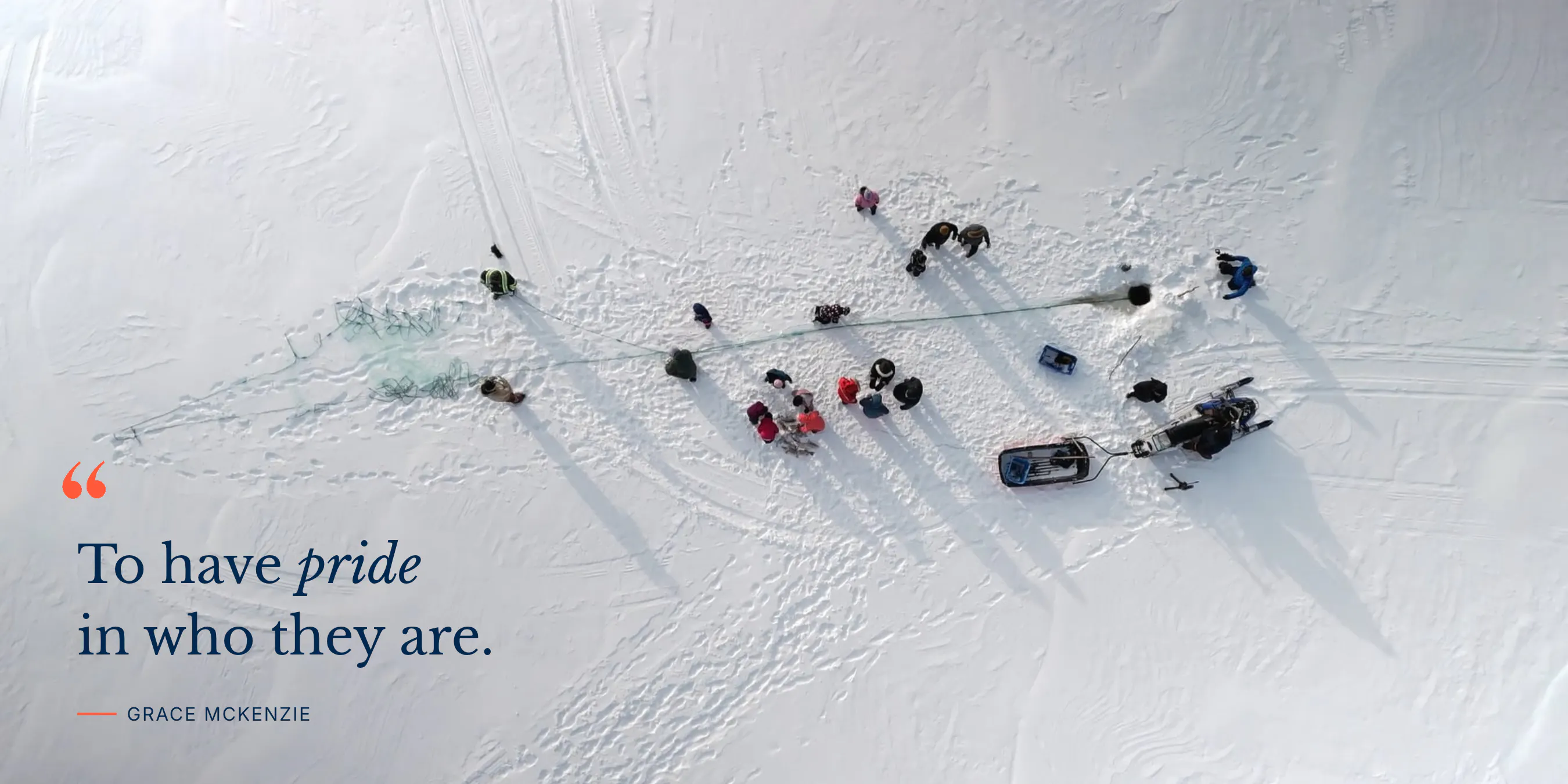
We chose to close the week with this documentary because so much of what we had heard throughout the series could be seen in the work happening at Keethanow. It shows what it can look like when children have opportunities to grow up knowing who they are and to take pride in where they come from.
🔗 Watch Keethanow Rooted in the Land on the TREES Network here.
Beyond Truth and Reconciliation Week
The stories we shared during Truth and Reconciliation Week remain available on the TREES Network, along with many others we were not able to share during the week.
As CEO Chloe Ferguson reflected:
"Listening is part of this work, but so is what we choose to do with what we have learned."
For MFI, this also means continuing to think about our responsibility as an organization working alongside Indigenous communities. The stories shared through TREES give us an opportunity to hear directly from people about their experiences and the work happening in their communities.
September 30 has passed, but the opportunity to spend time with these stories has not. We encourage you to continue exploring the TREES Network and listening to the people who have shared their knowledge and experiences through it.
Explore the TREES Network.

Collaborate with MFI
We invite all Indigenous-led organizations to connect with us. We are excited to learn more about the well-being outcomes you wish to advance for the people in your local school, community, or organization.
Support the Mission
Join MFI in creating new pathways with Indigenous Peoples that lead to a more just system by funding the critical efforts to get there.